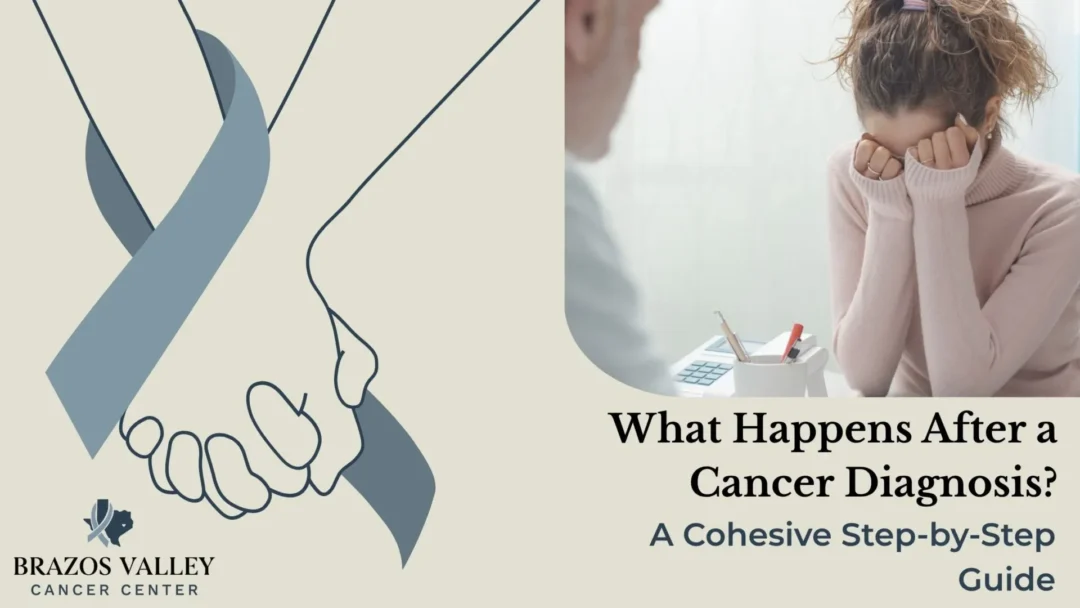
A cancer diagnosis can feel overwhelming. Questions come quickly, emotions run high, and uncertainty can make it difficult to know what happens next. While every patient’s journey is unique, understanding the general steps that follow a diagnosis can bring clarity and help you feel more in control.
Step 1: Confirming the Diagnosis
After an initial finding, your care team will work to confirm the diagnosis through additional testing. This may include imaging, lab work, or biopsies. These results provide critical information about the type and extent of cancer.
Many patients ask: “Do I need more tests even after a diagnosis?”
The answer is often yes – these tests help ensure your care team has the most accurate picture possible before building your treatment plan.
Step 2: Meeting Your Oncology Team
Once your diagnosis is confirmed, you’ll meet with an oncologist and a broader care team. This team-based approach ensures that every aspect of your care is considered, from medical treatment to emotional support.
It’s common to wonder: “Should I bring someone with me to this appointment?”
Absolutely. Having a family member or caregiver present can help you process information, ask questions, and feel supported.
Step 3: Understanding Cancer Staging
Staging determines how advanced the cancer is and whether it has spread. This step plays a major role in shaping your treatment plan.
You might ask: “What does staging actually mean for my treatment?”
In short, staging helps your care team recommend the most effective options tailored to your specific condition.
Step 4: Exploring Treatment Options
Cancer treatment is not one-size-fits-all. Depending on your diagnosis, options may include chemotherapy, radiation therapy, targeted therapy, or participation in clinical trials.
Patients often ask: “Do I have a say in my treatment plan?”
Yes. You should always feel informed and empowered to make decisions about your care. A strong care team will walk you through every option and answer your questions openly.
Step 5: Creating a Personalized Care Plan
Once all information is gathered, your oncology team will develop a treatment plan designed specifically for you. This plan considers your diagnosis, overall health, and personal preferences.
Clear communication is essential during this stage. You should feel comfortable asking questions and fully understanding each step ahead.
Step 6: Beginning Treatment
After your plan is finalized, treatment begins. Your care team will guide you through what to expect, how to prepare, and how to manage side effects.
Many patients wonder: “How soon will treatment start?”
Timelines vary, but your team will work to begin treatment as efficiently and safely as possible.
Moving Forward with Confidence
Facing cancer is never easy, but you don’t have to navigate it alone. With the right care team, clear communication, and a personalized approach, you can move forward with confidence and clarity.
For patients in the Brazos Valley, having access to compassionate, team-based care close to home can make a meaningful difference during this time.
Compassionate Cancer Care You Can Trust
Brazos Valley Cancer Center is dedicated to delivering thoughtful, patient-centered care rooted in compassion, integrity, and open communication. We understand that a cancer diagnosis impacts not only the individual but also their loved ones, which is why we take a collaborative approach – ensuring patients, families, and caregivers feel informed, supported, and empowered at every stage of the journey. Our team is committed to helping each patient understand their options and make confident, personalized decisions about their care.
To learn more about our services, read patient experiences, explore our website, and reach out directly.
Phone: (979) 776-2000
Locations:
2435 Harvey Mitchell Parkway
South College Station, Texas 77845
2215 E. Villa Maria, Suite 110
Bryan, Texas 77802
Related Posts
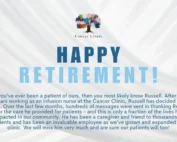
If you’ve ever been a patient of ours, then you most likely know Russell. After 26 years working as an infusion nurse at the Cancer Clinic, Russell has decided to retire. Over the last few months, hundreds of messages were sent in thanking Russell for the care he provided for patients - and this is only a fraction of the lives he impacted in our community. He has been a caregiver and friend to thousands of patients and has been an invaluable employee as we’ve grown and expanded our clinic. We will miss him very much and are sure our patients will too!